1. Bối cảnh thiết kế trong kỷ nguyên hậu AINăm 2026 đánh dấu một cột mốc quan trọng trong lịch sử thiết kế đồ họa, nơi ngành công nghiệp không còn đơn thuần là một cuộc chạy đua về hiệu suất công nghệ mà chuyển mình thành sự hội tụ giữa trí tuệ nhân tạo (AI) và tính bản sắc cá nhân. Sau giai đoạn bùng nổ của các công cụ tạo hình tự động, thị trường đang chứng kiến một phản ứng ngược đối với sự hoàn hảo thái quá, mang tính thuật toán của AI. |
1. The Design Landscape in the Post-AI Era |
|
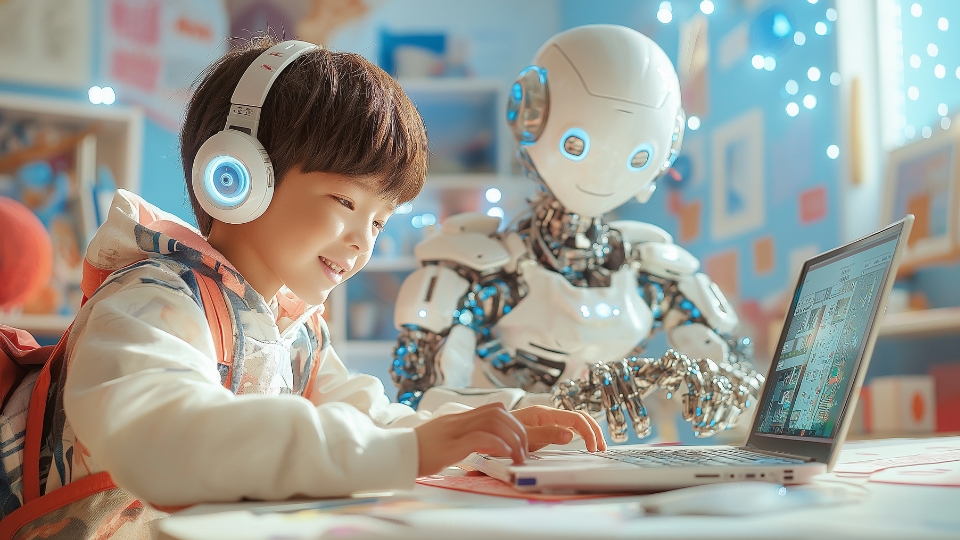
Thiết kế hiện đại đang dịch chuyển từ việc tạo ra các giao diện bóng bẩy, vô hồn sang việc xây dựng những trải nghiệm có chiều sâu văn hóa và tính nguyên bản. Trọng tâm của năm 2026 không nằm ở việc phủ nhận công nghệ, mà là cách chúng ta sử dụng nó để tôn vinh sự "messy" (lộn xộn) và đầy cảm xúc của nhân loại. Bài viết này sẽ phân tích các trụ cột xu hướng chủ đạo dưới lăng kính triết lý và kỹ thuật, giúp các nhà sáng tạo định hình tư duy trong kỷ nguyên mới. |
Modern design is shifting away from creating polished yet emotionally detached interfaces toward building experiences with greater cultural depth and authenticity. The focus of 2026 is not about rejecting technology, but about how we use it to celebrate the messy, emotional, and deeply human aspects of creativity. This article explores the key design trends of the year through both philosophical and technical perspectives, offering insights into how creatives can rethink their approach in a new era. |
2. Sự Phản Kháng Chống Lại Sự Hoàn Hảo Thuật Toán: Chủ Nghĩa Nhân Văn MớiThẩm mỹ của sự không hoàn hảoTriết lý thiết kế năm 2026 bắt nguồn từ sự mệt mỏi thị giác trước những hình ảnh AI quá đỗi "sạch sẽ" và đồng nhất. Người dùng hiện nay khao khát những minh chứng cho sự hiện diện của con người những sai sót có ý đồ tạo nên sự tin cậy và chân thực.
|
2. The Backlash Against Algorithmic Perfection — A New Human-Centered AestheticThe Beauty of ImperfectionThe design philosophy of 2026 is largely shaped by visual fatigue caused by overly polished and uniform AI-generated imagery. Audiences are beginning to crave visible traces of human presence — intentional imperfections that create a sense of authenticity, emotion, and trust.
|

|
|

Trải nghiệm xúc giác và thị giác thực tếKhi thế giới số trở nên quá phẳng, xu hướng Tactile Craft xuất hiện như một giải pháp tái lập cảm giác vật lý. Việc đưa các kết cấu như thêu thùa, cắt giấy, và vải vóc vào không gian số không chỉ là thủ pháp đồ họa mà còn là nỗ lực kích thích đa giác quan của người xem. Song song đó, phong cách nhiếp ảnh Candid Camera Roll đang thay thế dần các kho ảnh stock bóng bẩy. Những khung hình có vẻ "nghiệp dư", sử dụng ánh sáng flash gắt, nhiễu hạt (grainy film) và góc cắt bất ngờ giúp câu chuyện thương hiệu trở nên đời thường và đáng tin hơn. |
Tactile Experiences and Real-World VisualsAs digital experiences become increasingly flat and polished, the rise of Tactile Craft reflects a growing desire for physicality in visual design. Textures inspired by embroidery, paper cutouts, fabric, and handcrafted materials are being integrated into digital spaces not only as decorative elements, but as a way to create more sensory and emotionally engaging experiences. At the same time, Candid Camera Roll photography is gradually replacing overly polished stock imagery. Raw-looking photos with harsh flash lighting, grainy film textures, unexpected crops, and seemingly unplanned moments help brands feel more authentic, relatable, and trustworthy. Instead of presenting a perfectly curated reality, brands are beginning to embrace visuals that feel spontaneous and human. |
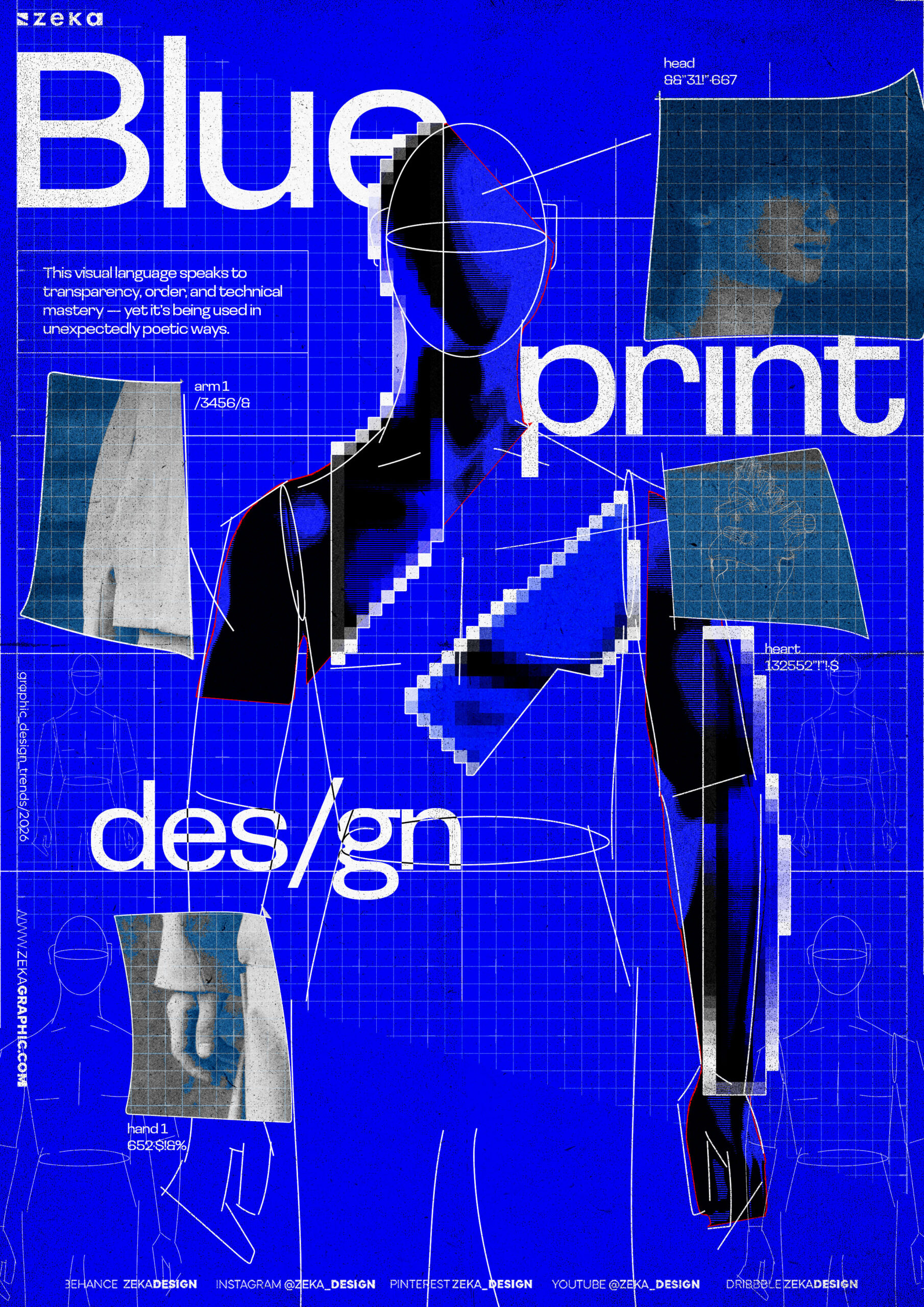
3. Cấu trúc hóa Công nghệ và Thẩm mỹ Thực dụngNgược lại với xu hướng nhân văn hóa, một dòng chảy khác lại chọn cách phô diễn công nghệ như một ngôn ngữ thẩm mỹ riêng biệt, thay vì che giấu nó. Blueprint Design và Micro-IndustrialXu hướng này vay mượn ngôn ngữ của các bản vẽ kỹ thuật, sơ đồ kiến trúc và hệ thống nhãn dán công nghiệp.
|
3. Structured Technology and Functional AestheticsIn contrast to the rise of human-centered and emotionally driven design, another movement is embracing technology itself as a visual language rather than hiding it behind seamless interfaces. Blueprint Design và Micro-IndustrialThis trend draws inspiration from technical blueprints, architectural diagrams, and industrial labeling systems.
|
|
Micro-Industrial: Việc đưa các yếu tố thực dụng như mã vạch, mã QR và các biểu tượng quy định (regulatory icons) từ lề trang giấy vào vị trí trung tâm của bố cục giúp thiết kế toát lên vẻ quyền uy, chính xác và minh bạch. |
|

Sự minh bạch trong quy trình AI (Node-based Design)Về mặt kỹ thuật, các nhà thiết kế đang chuyển dịch sang các công cụ AI dựa trên hệ thống mô-đun. Cách tiếp cận này cho phép kiểm soát quy trình sáng tạo một cách logic và minh bạch hơn, biến AI từ một "hộp đen" bí ẩn thành một cộng sự có thể tùy chỉnh và lặp lại được. |
Transparency in AI Workflows (Node-based Design)From a technical perspective, designers are increasingly shifting toward modular, node-based AI tools. This approach allows for a more logical and transparent creative process, where every step can be adjusted, refined, and repeated with greater control. Instead of treating AI as a mysterious “black box,” designers are beginning to use it as a customizable creative partner that supports intentional and structured experimentation. |
4. Sự Bùng Nổ Cảm xúc và Thế Giới Siêu Thực MớiThiết kế năm 2026 còn đóng vai trò là công cụ thoát ly thực tại, đưa người dùng vào những không gian mơ mộng và đầy tính cá nhân. |
4. The Rise of Emotion and New Surreal WorldsIn 2026, design is also becoming a form of escapism — creating dreamlike and highly personal spaces that allow people to momentarily disconnect from the pressures of reality. As digital life becomes increasingly overwhelming, audiences are gravitating toward visuals that feel emotional, immersive, and slightly surreal rather than purely functional. |
Hyper-Individualism và Sự hỗn loạn có kiểm soátHyper-Individualism là đỉnh cao của sự tự biểu hiện. Nó kết hợp giữa hình học biến dạng, hiệu ứng ảo ảnh thị giác và các lớp hình ảnh chồng chéo để phản ánh cái tôi độc bản của thương hiệu. Đây là sự kết hợp giữa sự hỗn loạn của Maximalism và cấu trúc chặt chẽ của tư duy đồ họa hiện đại. |
|

Hyper-Bloom và Neon-NoirHyper-Bloom: Xu hướng này sử dụng các mô-típ thiên nhiên (hoa lá, thực vật) nhưng được khuếch đại về quy mô và xử lý bằng các hiệu ứng làm mờ (Gen Z blur) để tạo ra một không gian siêu thực, lãng mạn nhưng cũng đầy tính giả tưởng. |
Hyper-Bloom and Neon-NoirHyper-Bloom: This trend reimagines natural elements such as flowers, plants, and organic textures through exaggerated scale, saturated colors, and soft “Gen Z blur” effects. The result is a dreamy and surreal visual atmosphere that feels both romantic and digitally unreal, turning nature into an emotional escape rather than a realistic representation. |

|
Neon-Noir: Mang lại một sắc thái điện ảnh sâu thẳm với sự kết hợp của đỏ rực và đen tuyền. Đây là phong cách của sự phản kháng, bí ẩn, thường được sử dụng để tạo ra những ấn tượng thị giác mạnh mẽ và khó quên. |
|
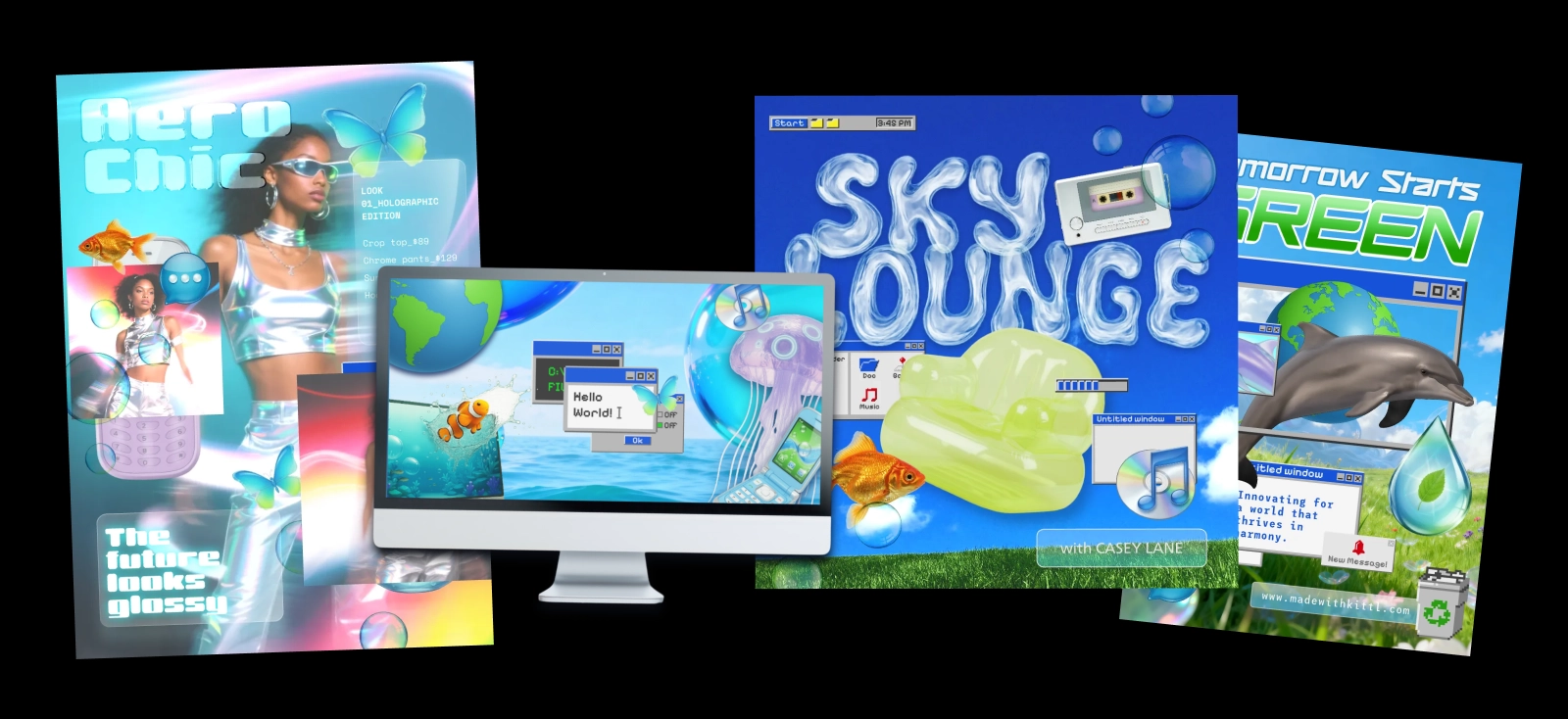
5. Đối thoại giữa Di sản và Tương lai (Nostalgic Futurism)Việc tái định nghĩa các giá trị cũ trong bối cảnh kỹ thuật số mới là một đặc điểm nhận dạng quan trọng của năm 2026. Frutiger Aero & Y2K Revival: Sự hồi sinh của chủ nghĩa lạc quan công nghệ những năm 2000 với các hiệu ứng bóng bẩy, bong bóng (skeuomorphism) và hình ảnh thiên nhiên xanh mát. Xu hướng này phản ánh mong muốn về một tương lai tươi sáng và hài hòa giữa công nghệ và tự nhiên. |
5. A Dialogue Between Heritage and the Future (Nostalgic Futurism) |
|
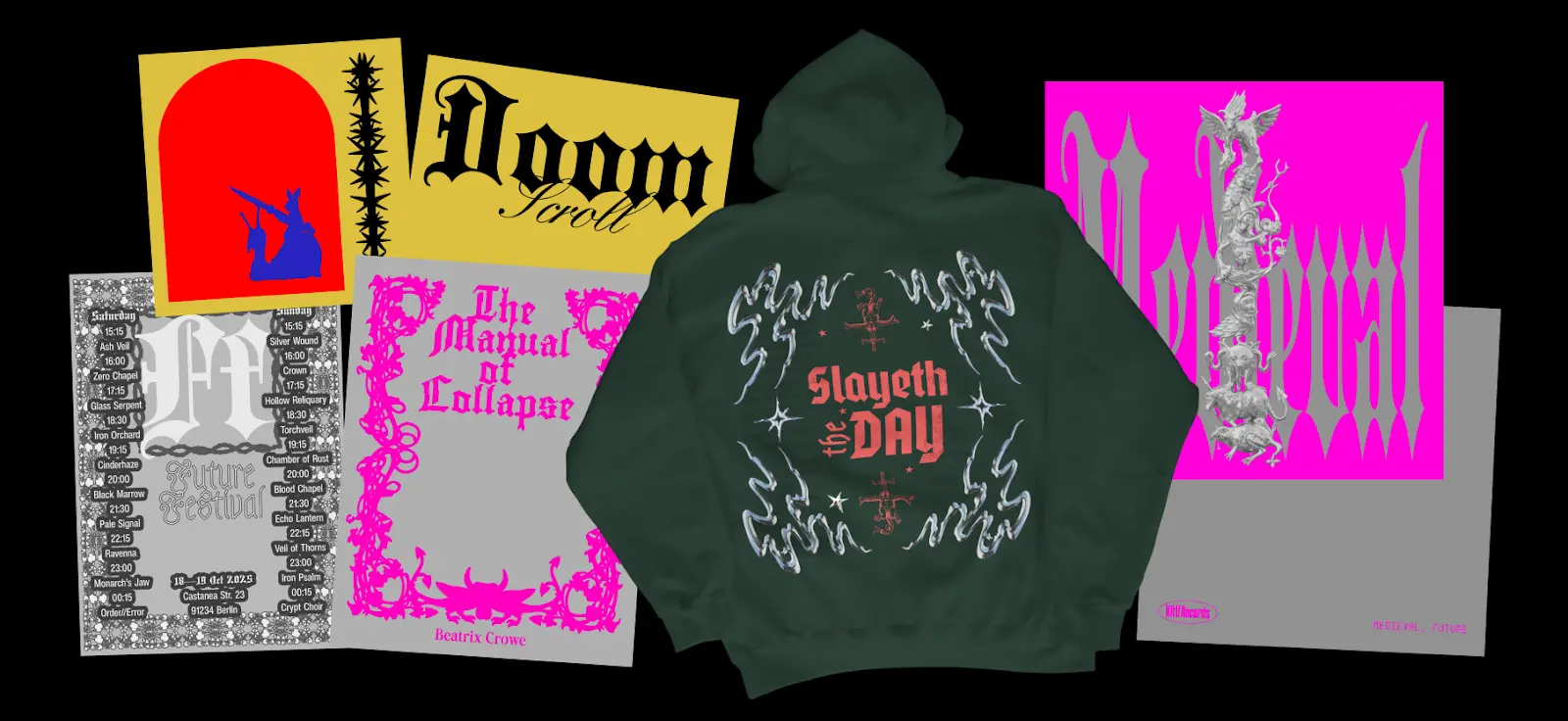
Future Medieval: Một sự kết hợp táo bạo giữa các phông chữ Gothic, Baroque với các hiệu ứng kỹ thuật số đương đại, tạo nên một vẻ đẹp vừa cổ xưa, thần bí, vừa mang hơi thở của tương lai. |
Future Medieval:Future Medieval blends Gothic and Baroque typography with contemporary digital effects to create visuals that feel both ancient and futuristic at the same time. The aesthetic combines mystery, ornamentation, and dramatic historical references with modern rendering techniques, resulting in a visual language that feels immersive, cinematic, and otherworldly. |
|
Elemental Folk: Xu hướng này đưa các họa tiết dân gian và biểu tượng văn hóa địa phương vào các bố cục hiện đại. Đây không chỉ là trang trí, mà là cách thương hiệu khẳng định nguồn cội và sự thấu cảm văn hóa trong một thế giới đang dần bị phẳng hóa bởi toàn cầu hóa. |
Elemental Folk: This trend incorporates folk patterns, traditional craftsmanship, and local cultural symbols into contemporary visual systems. More than a decorative choice, it reflects a growing desire for cultural identity and authenticity in an increasingly globalized digital landscape. By reconnecting with local heritage, brands are able to create deeper emotional resonance and a stronger sense of uniqueness. |

Kết luận: Tầm nhìn chiến lược cho nhà sáng tạoTổng kết lại, xu hướng thiết kế năm 2026 không chọn phe giữa con người và máy móc. Thay vào đó, nó tồn tại và phát triển ngay tại "điểm giữa" nơi công nghệ hỗ trợ hiệu suất còn con người đóng vai trò dẫn dắt cảm xúc và linh hồn. Để thành công trong giai đoạn này, các nhà thiết kế và thương hiệu cần:
Thiết kế tốt nhất trong năm 2026 sẽ là những tác phẩm biết cách "thổi hồn" vào công nghệ, biến những điểm chạm kỹ thuật số vô tri thành những trải nghiệm nhân văn đầy ý nghĩa.
|
Conclusion — A Strategic Vision for CreativesIn the end, the design trends of 2026 are not about choosing between humans and machines. Instead, they thrive in the space between the two — where technology improves efficiency while humans continue to shape emotion, meaning, and creative identity. To succeed in this new era, designers and brands must learn to embrace imperfection, use tactile and emotionally driven storytelling to build trust, and reconnect with local culture as a source of originality and authenticity. The most impactful designs of 2026 will be the ones that know how to bring humanity back into technology — transforming cold digital interactions into experiences that feel emotional, personal, and deeply meaningful. |